In a nutshell
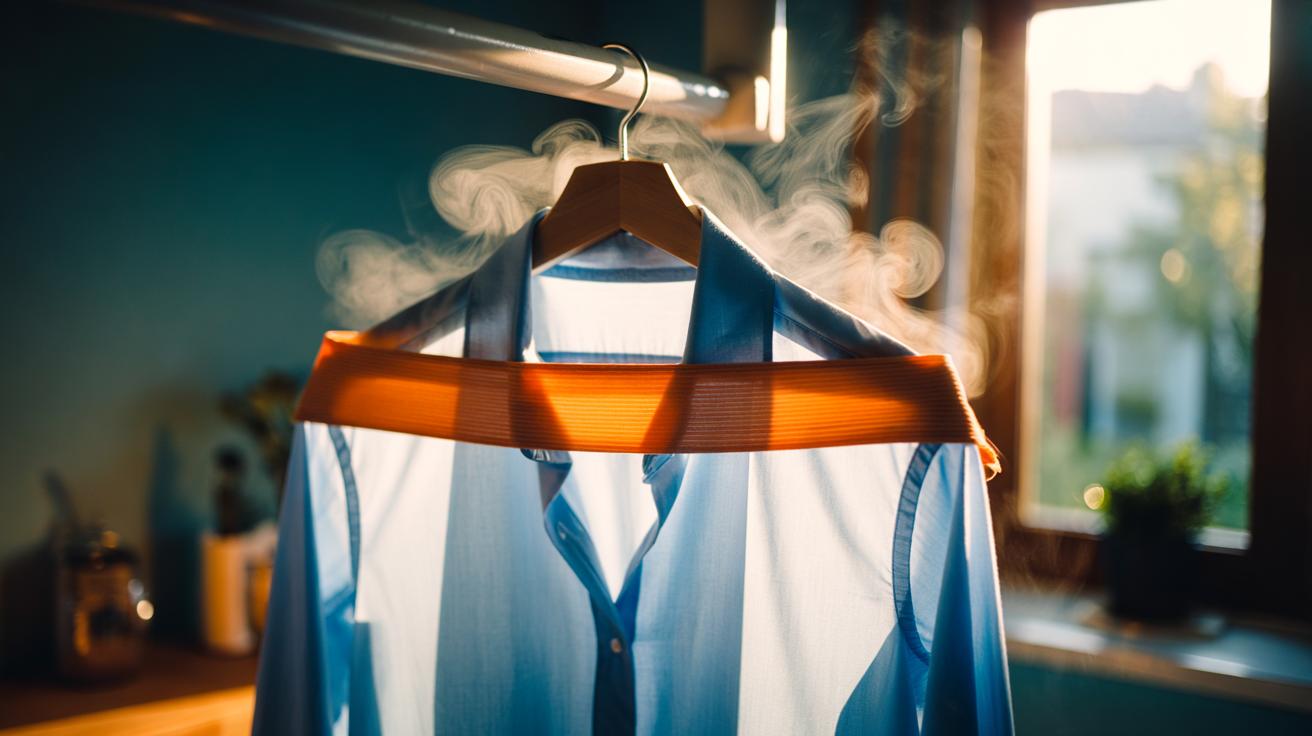
- 🧺 Use a rubber band for tension-drying: stretch it across a hanger, slide the shirt under the band, and let gentle tension set fibres flat as they dry to stop wrinkles forming.
- ⚡ Try a quick tumble dryer rescue: a towel roll secured with bands plus a damp cloth for light steam, 10–12 minutes on low heat, then hang immediately for crisp results.
- 🧵 Upgrade hangers with grip: wrap bands on shoulders and trouser bars to keep perfect alignment, apply gentle tension, and lightly mist stubborn areas for smoother finishes.
- 🔬 Understand the science: steam and tension guide fibre memory, so garments dry flat, need less ironing, and consume less energy while preserving fabric life.
- ✅ Aim for practical wins: ideal for cotton, linen, viscose blends; expect 30–90 minutes passive drying or a 10–12 minute rescue, and avoid high heat to protect bands and fabrics.
Nothing bruises a morning like pulling a crumpled shirt from the wash and realising the iron still needs heating. Here’s a small domestic rebellion: a simple rubber band that stops wrinkles in their tracks. It’s cheap, oddly satisfying, and fast. Think gentle tension, a hint of steam, and smarter handling rather than more heat or time. The trick isn’t a gimmick; it’s fabric physics in your favour. Cotton, linen, even blends respond beautifully when you control how they dry. The goal is to set fibres flat while they reset, not fight creases after they’ve formed. Try it once, and watch your laundry look startlingly fresh with barely any effort.
The Rubber Band Tension-Drying Method
Here’s the surprisingly effective method that changes the way clothes dry. After the spin cycle, give your garment a brisk shake. Button the top two buttons or align the shoulder seams on a wide hanger. Now stretch a thick rubber band across the hanger’s shoulder notches, creating a horizontal strap. Slide the shirt front beneath that strap so the fabric sits lightly taut—no tugging, no stretching, just a whisper of tension. Smooth the placket and hems with your hands. Hang in moving air, by a window, or near a warm radiator (not on it). In 30–90 minutes, most wrinkles never form.
Why does this work? When fabric leaves the wash, its fibres are plastic—hydrogen bonds are weak, moisture keeps them mobile. As they dry, those bonds lock in the shape they’re held in. Introduce gentle, even tension and the cloth “remembers” flatness instead of creases. It’s especially effective on cotton poplin, oxford weaves, viscose blends, and light denim. Use a second band lower down if hems ripple. A final smoothing pass with damp palms adds micro-steam without gadgets. The result: crisp lines, calmer collars, and sleeves that behave.
Tip: If your hanger lacks notches, wrap a small band around each end to add grip. It stops shirts sliding into bunches that hard-wire creases as they dry.
Quick Rescue in the Tumble Dryer
Pressed for time? Deploy a controlled burst in the tumble dryer. Roll a clean, dry bath towel into a firm cylinder and secure the roll at both ends with two chunky rubber bands. Add the towel to the drum with your wrinkled garments plus one slightly damp microfibre cloth. Run a short, warm cycle—10 to 12 minutes is plenty. The towel spaces items, preventing clumping, while the damp cloth releases light steam that relaxes fibres. Remove promptly and hang using the tension method above for a crease-free set.
Two safety notes. First, inspect bands: if they’re cracked or perished, bin them. Second, choose warm or low heat only. High-heat cycles can degrade ordinary bands, so keep temperatures sensible and the rescue brief. Silicone hair ties or heat-resistant bands are ideal if you rescue garments regularly. For heavy cotton T-shirts, this routine can replace ironing entirely. For dress shirts, it cuts the job to a 30-second collar and cuff touch-up. Energy use is modest, time savings are not.
Pro move: Lightly mist collars and the placket with water before the short cycle. The extra moisture targets the stiffest areas and improves that out-of-the-dryer structure you want.
Hanger Hacks That Stop Creases Before They Start
If you prefer line drying or airing cupboards, targeted hanger tweaks make all the difference. Wrap a slim rubber band around each shoulder of the hanger to add friction; the shirt stays centred, sleeves hang straight, and gravity does the polite work of smoothing. For trousers, fold along the crease you want, then place over a trouser bar wrapped with two or three overlapping bands. That grippy surface prevents slippage that creates diagonal wrinkles. Add a single band around the waist button and loop it to the hanger hook to hold the front seam perfectly vertical.
This is about alignment, not force. Keep tension gentle: enough to guide the fabric, never enough to distort it. Slightly re-dampen stubborn areas with a water spray, smooth with your hand, then let air and the banded support finish the job. It’s simple kit, repeatable results.
| Method | Time | Best For | Heat Level | Risk |
|---|---|---|---|---|
| Tension-Drying on Hanger | 30–90 mins (passive) | Shirts, blouses, light knits | None | Very low |
| Short Tumble Rescue | 10–12 mins | Cotton tees, mixed loads | Low to warm | Low (check bands) |
| Hanger Grip Bands | 1–2 mins setup | Silky fabrics, trousers | None | Very low |
Why It Works: Steam, Tension, and Fibre Memory
Textiles wrinkle when fibres dry in a bent state. In cotton and viscose, those bends are held by hydrogen bonds that lock during moisture loss. Introduce steam or dampness and you weaken the bonds again, giving the cloth a fresh chance to set. Add light tension so the fabric dries flat, and creases simply don’t consolidate. This is the same principle behind professional finishing, just scaled to a flat in Leeds or a terrace in Cardiff. Control the dry, and you control the outcome.
Heat helps, but restraint helps more. Warmth speeds bond reshaping; overly high temperatures scorch finishes, bake in creases, and shorten fabric life. The rubber band trick offers micro-control: it directs tension exactly where needed—plackets, hems, pleats—without brute-force pressing. For linen, combine a fine mist with firm smoothing and extra hanger time. For elastane blends, keep tension lighter to protect stretch. Expect fewer hours at the ironing board, lower bills, and garments that look newer for longer.
In a world that sells gizmos for every domestic hiccup, the humble rubber band is an elegant correction: almost no cost, immediate effect, and quietly professional results. You’re not avoiding the rules of fabric; you’re using them. Try the tension-drying method tonight, the quick tumble rescue tomorrow, and update your hangers over the weekend. Your wardrobe will tell the difference. Which garment in your rotation do you think would benefit most from this simple, surprisingly powerful tweak—and how will you adapt the tension for your own fabric mix?
Did you like it?4.5/5 (29)