In a nutshell
- 🌱 Coffee grounds act as a gentle, slow-release source of nitrogen and feed soil microbes, delivering visible greening and thicker turf in days when moisture and temperature align.
- ☕ Used grounds are near-neutral in pH and add fine organic matter that improves surface structure and moisture retention; caffeine residues are negligible at lawn rates.
- 🔧 Apply safely: dry and sieve, then top-dress at 50–70 g/m² (1–2 mm), ideally mixed 1:1 with compost or sand; brush in after mowing, water lightly, and repeat every 3–4 weeks while keeping pets away during use.
- 🧩 Combine with lawn basics: mow higher (~4 cm), water deeply but infrequently, apply after aeration, and pair with a balanced fertiliser or overseeding for faster, more resilient density.
- ⚠️ Avoid myths and mistakes: grounds don’t acidify lawns or kill weeds; never smother—rake out mats, troubleshoot rare yellowing with a light N feed, store grounds dry, and prioritise little-and-often consistency.
Britain’s gardeners have a new obsession: turning yesterday’s brew into tomorrow’s green velvet. Used coffee grounds, scattered and swept into the sward, are helping lawns bounce back fast, with visible colour and density gains in a matter of days when weather plays fair. The trick isn’t magic, it’s microbiology. Grounds add gentle nitrogen, feed beneficial soil microbes, and improve surface structure so water lingers a touch longer where roots can drink. The result is a rapid cosmetic lift and a sturdier, more resilient lawn. Here’s how the method works, how to do it safely, and how to blend it with classic lawncraft for results that look professionally maintained.
Why Coffee Grounds Work for Lawns
The science is surprisingly robust for such a humble input. After brewing, coffee grounds test at a modest, slow-release nitrogen level (roughly 2% by weight), with traces of potassium and micronutrients. They’re not a full fertiliser, but they’re a steady nudge toward growth, particularly during active UK seasons in spring and early autumn. As the grounds decompose, they feed a flourishing community of microorganisms that, in turn, make nutrients more available to grass roots. That microbial burst is often what delivers quick greening in a week or less when moisture and soil temperatures are favourable.
There’s a common worry about acidity. In practice, used grounds are near neutral; fresh grounds skew acidic, but the brewing process removes much of that acid. For established turf, the pH impact of used grounds is minimal and usually benign. Texture is another win. Grounds add fine, crumbly organic matter that gently opens compacted surfaces, helps retain moisture on dry afternoons, and encourages earthworms. Caffeine? Trace amounts remain, but at lawn application rates they’re negligible. The upshot: a subtle, cumulative boost that encourages density, colour, and that soft, springy underfoot feel.
How to Apply Coffee Grounds Safely
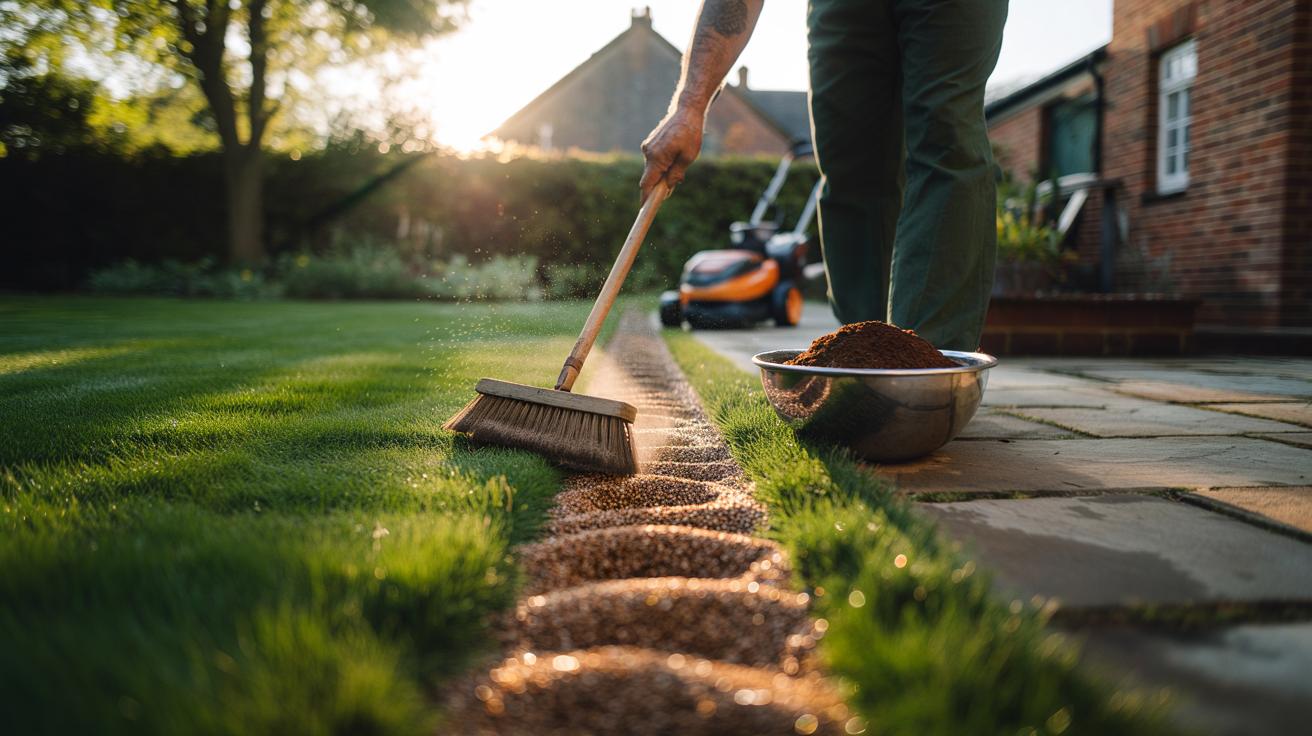
Dry the grounds first. Spread them thinly on a tray for a day, or microwave in short bursts to drive off moisture; clumpy, wet grounds can mat. Sieve if possible. Aim for a very light top-dressing—no more than 1–2 mm—about 50–70 g per square metre. The golden rule: never smother, always sprinkle. For best distribution, blend 1:1 with fine compost or washed sand, then brush the mix into the sward with a stiff broom after mowing. Water lightly to settle. Reapply every three to four weeks in the growing season, skipping heatwaves and frosts. Keep pets away during application and storage; while used grounds are low in caffeine, ingestion can still upset dogs.
For clarity, use this quick guide before you start.
| Lawn Size | Grounds per Application | Frequency | Technique |
|---|---|---|---|
| 10 m² courtyard | 0.5–0.7 kg total | Every 3–4 weeks | Mix with compost; brush in |
| 50 m² small garden | 2.5–3.5 kg total | Every 3–4 weeks | Light top-dress; water |
| 100 m² family lawn | 5–7 kg total | Monthly | Apply post-mow; avoid clumps |
Always monitor colour and growth; if the lawn deepens in green but feels soft or leggy, reduce frequency. For faster visual results, pair grounds with a balanced spring lawn feed at label rates. Grounds are a supplement, not a sole diet.
Combining Grounds With Lawn Care Basics
Think of coffee grounds as an amplifier. They perform best alongside the fundamentals: mowing, watering, aeration, and nutrition. Keep blades sharp and cut high—around 4 cm for mixed UK lawns—so leaf area remains generous for photosynthesis. Water deeply but infrequently; a thorough soak once or twice a week in dry spells trains roots to chase moisture. Apply grounds right after aeration or spiking so the particles fall into the holes and interact with oxygen-rich soil. You’ll feed microbes precisely where they work hardest, accelerating that gentle nutrient cycling.
Overseeding? Scatter grounds after seed-to-soil contact, then brush lightly. The dark specks warm quickly in spring sun, nudging germination while keeping the surface friable. If your turf is hungry—pale rather than chartreuse—layer the strategy: a light dose of a balanced fertiliser, a feathering of coffee grounds, and steady moisture. Many householders report a richer hue inside a week, thickening by day ten. Use that momentum. Resume normal mowing, collect minimal clippings for a fortnight, and let the system stabilise. The goal is resilient density, not transient, floppy growth.
Common Mistakes, Myths, and Quick Fixes
Myth one: grounds acidify lawns. Not notably. Used material generally measures near neutral and won’t crash soil pH. Myth two: grounds are a weed killer. They aren’t; at lawn rates, they won’t dispatch dandelions. Myth three: more is better. Heavy layers can seal the surface, shed water, and smother leaf tips. If you see dark mats, rake them out immediately and reapply as a dusting. A light hand wins.
What about pests and pets? Slug deterrence is marginal at best; don’t rely on it. Dogs may nose about—keep drying trays out of reach and sweep promptly. Yellowing after application is rare; if it happens, you may be witnessing transient nitrogen tie-up on very sandy or low-organic soils. Remedy with a light, quick-release nitrogen feed and proper watering. Sourcing is easy: many cafés bag used grounds for gardeners. Store them dry in a ventilated tub. Consistency is the engine of this method—little and often, aligned with the seasons.
Handled with intent, used coffee grounds are a thrifty, eco-friendly push that refreshes tired lawns fast, then keeps them sturdy through spring surges and late-summer recovery. You’re not replacing routine care, you’re rounding it out—feeding the soil’s living engine and letting the grass show off. Expect a perkier green within days when moisture, temperature, and mowing height co-operate. Then keep the cycle going with light reapplications, sharp blades, and measured watering. The small ritual pays back in colour, texture, and that satisfying barefoot bounce. Ready to put your morning brew to work on the lawn—and what will you test first: straight grounds, or a compost blend brushed into fresh aeration holes?
Did you like it?4.5/5 (22)